

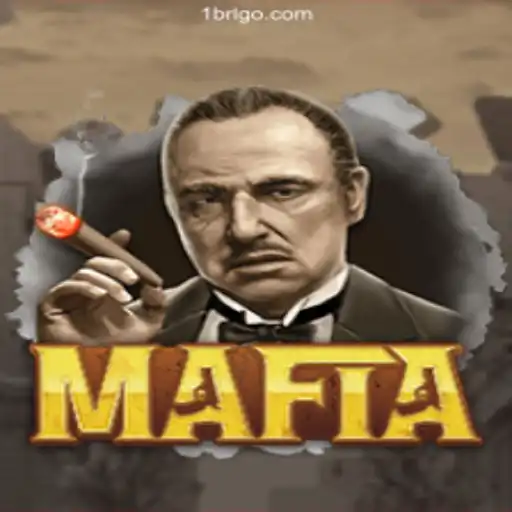
An in-depth look at the game of Mafia, its origins, rules, and its intersection with current gaming trends.
The Game of Mafia: A Cultural Phenomenon
Mafia is a classic party game that has gained immense popularity over the years. It combines elements of strategy, psychology, and deception, requiring players to outwit each other in order to achieve their objectives. Originally created in the Soviet Union, Mafia has transcended cultural boundaries and is enjoyed worldwide, evolving alongside current gaming trends.
Origins and Introduction to Mafia
Mafia, also known as Werewolf in some variations, was created by Dmitry Davidoff in 1986 at the Psychology Faculty of Moscow State University. The game was initially designed as a teaching tool to help students develop critical thinking and communication skills. Since its inception, Mafia has become a staple in gatherings, parties, and even professional settings.
The game is played with a group of people, typically between 7 and 20 players. The interesting dynamics of Mafia come from the hidden roles assigned to each player, making every game unique. Players are divided into two primary teams: the Mafia and the Innocents, each with different objectives.
The Rules of Mafia
At the start of the game, players are assigned roles through a deck of cards or slips of paper. The main roles include the members of the Mafia, the Detective, the Doctor, and Innocent Townsfolk. The roles are kept secret, and the objective is to eliminate the opposing team.
Players enter cycles that alternate between night and day. During the night phase, the Mafia secretly choose a player to eliminate, while the Detective can investigate one player's role and the Doctor can choose someone to save. During the day, players discuss who they believe the Mafia members are and vote to eliminate a suspect. The game continues until one team achieves its win condition: the Mafia need to equal or outnumber the Innocents, while the Innocents win by eliminating all members of the Mafia.
The Role of 1BRL in Modern Gaming
With the rise of digital platforms and online gaming, the integration of virtual currencies such as 1BRL has become a notable trend. These currencies are especially prevalent in online casinos and sports betting, offering players new ways to engage with their favorite games. The concept of 1BRL - Caça-níqueis de cassino e apostas esportivas, which translates to slot machines and sports betting, reflects this growing digital economy.
While Mafia has traditionally been a face-to-face game, the online adaptation and influence of such digital currencies are reshaping how players interact in virtual environments. The allure of using 1BRL in these settings brings a sense of realism and risk to gameplay, akin to making financial decisions in tactical games like Mafia.
The Intersection of Mafia and Modern Gaming Trends
As the gaming landscape continues to evolve, games like Mafia are finding new life in digital formats. Platforms like Zoom and Discord have facilitated online gatherings with friends to play Mafia virtually, keeping the social interaction alive in the digital age. Furthermore, utilizing virtual currencies in gaming and betting provides an added layer of engagement for players.
The gamification of real-world elements, such as currency systems, in Mafia places it at an interesting crossroads. The dynamics of trust, strategy, and social interaction in Mafia align closely with modern games relying on economic strategies and social deduction.
Mafia's Influence on Culture and Media
Over the years, Mafia has not only been a source of entertainment but has also influenced popular culture. Its mechanics have been adapted into various formats including video games, board games, television, and even films. The strong narrative elements of deception and strategy have made their way into mainstream media, resonating with audiences globally.
In recent times, the shift towards integrating real-world economic elements, highlighted by the rise of 1BRL and similar currencies, demonstrates the dynamic intersection between traditional games and modern technological advancements. This reflects a broader trend where games are extending beyond mere entertainment to encompass elements of real-world economics and strategy.
As we move forward, the fusion of games like Mafia with digital innovations suggests exciting possibilities for how games can evolve and intertwine with cultural and economic landscapes. The integration of digital currencies offers a glimpse into potential future developments that could further blend the lines between gaming, entertainment, and real-world interactions.



0 Comentários